


Property can be stressful enough. We take the accounting and tax stress away, from Section 24 to Making Tax Digital, so you keep more of what you earn and focus on growing your portfolio.
Chartered certified accountants (FCCA) · Manchester · working with landlords across the UK

Rated 5.0 on Google.
“Chaya and her team handle my tax, bookkeeping, VAT, and accounts across multiple companies, and the level of organisation, clarity, and consistency they bring is exceptional… I know my numbers are correct, compliant, and structured properly, which allows me to focus on growing the business rather than worrying about the back end.”
“I highly recommend Chaya (and her staff). They are extremely professional, knowledgeable and so easy to deal with, but also explain things in a clear and practical way… they have made the accounting side of things feel much more straightforward.”
“I started working with ECCO accountants this year, to support the growth of my property business. I have found them to be clear, honest, knowledgeable and professional. No questions are unanswered and communication is consistent and always available!”
Established investors and developers
You run a £1m+ property business across residential and commercial property, with several companies, VAT, payroll and probably a small team. We take over your full finance function, so you always have up-to-date numbers to make decisions and move the business forward.
Portfolio landlords and growing investors
Your portfolio is growing across different property types, such as HMOs, serviced accommodation and blocks of flats. We take the finance work off your hands, plan your tax, and show you the most tax-efficient way to draw money out to live on.
Landlords with your first buy-to-lets
You’re starting to receive rent and building a small portfolio. We set you up with the right structure from day one, so you don’t pay more tax than you need to, and you always have someone to ask.

You want to build a profitable property business. That needs solid, up-to-date numbers, and time to focus on growing.
Book a free call. We get to know your properties, your biggest challenges and your goals.
We put together a plan to reach those goals: the right structure, tax and bookkeeping.
You see real-time numbers, make better decisions and spend less time worrying about your finances.

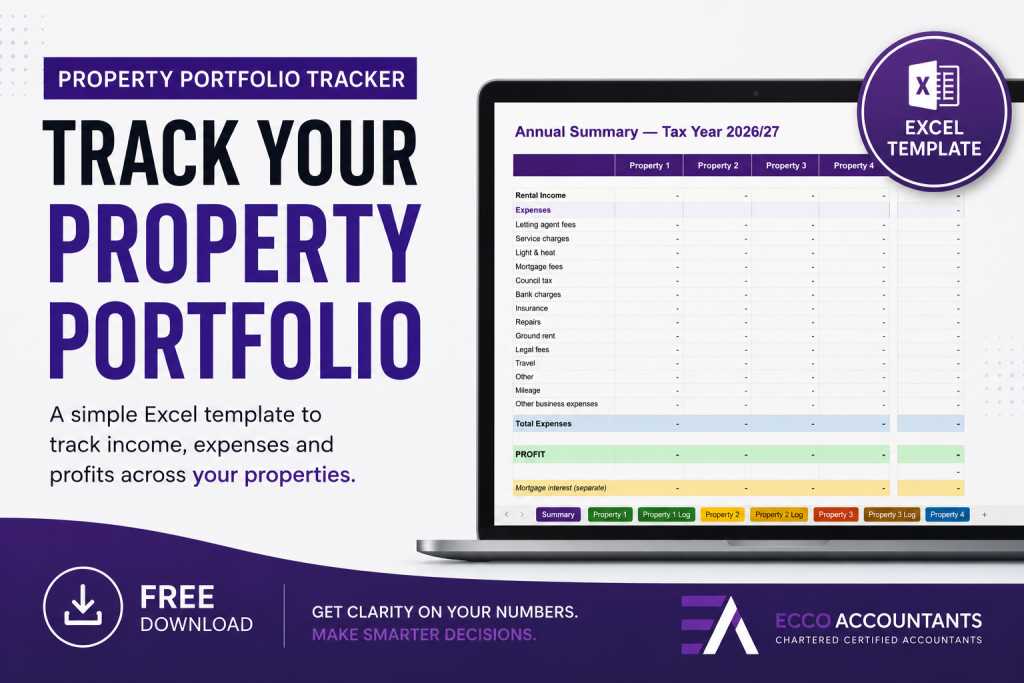
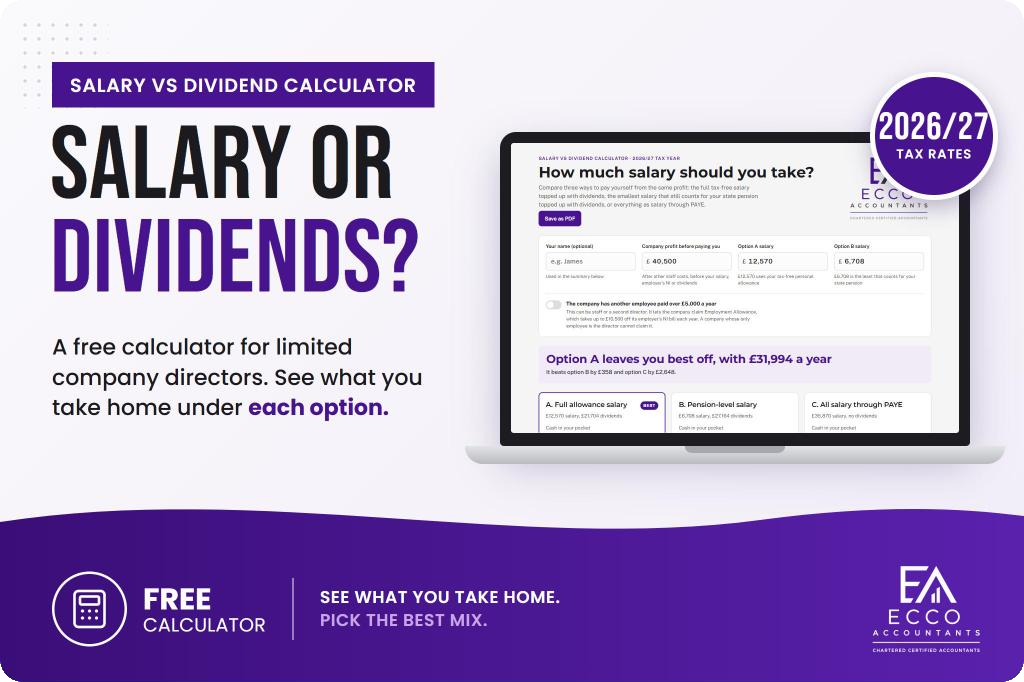
Answers to what property investors ask us most.
Book a free call and we’ll talk through your properties, your plans and how we can help.